

- What is Social Media Marketing?
- How To Choose the Right Social Media Platforms
- Setting Social Media Goals
- How to Create an Effective Social Media Strategy
- How to Create Engaging Social Media Content
- Growing and Engaging Your Audience
- Social Media Advertising
- How to Measure Your Social Media Results
- Social Media Tools
- Learning Social Media Marketing
- Conclusion
- Social Media Marketing FAQ

Are you ready to unlock the power of social media marketing? Then this is the perfect guide for you.
Our social media marketing 101 guide was crafted by experienced social media marketers. It will equip you with the knowledge and strategies needed to succeed in social media marketing.
You'll learn everything you need to know to start with social media marketing, from setting goals and creating engaging content to growing your audience and running paid campaigns.
What is Social Media Marketing?
Social media marketing is a type of marketing that leverages the features and benefits of social media networks to achieve brand-building and sales goals.
With social media marketing, companies leverage various strategies, from promoting engaging content to connecting with customers through chat to unlock growth opportunities.
Social media marketers run campaigns on their chosen platforms to engage audiences throughout their purchasing cycle and develop brand awareness.
Social media marketing involves more than just posting content. Companies need to develop comprehensive strategies designed to capture the attention of a specific audience, engage buyers, and convert customers.
Unlike other forms of advertising, social media marketing focuses heavily on developing an active community of followers, fans, and advocates for businesses.
How To Choose the Right Social Media Platforms
One of the most important steps any business can take when developing a valuable social media marketing strategy is researching and selecting the right platforms.
In today's digital world, there are numerous social media channels available, each appealing to a specific audience or customer segment.
For instance, Facebook is widely regarded as one of the best channels for reaching a broad consumer audience.
According to Pew Research Center, Facebook is used by 80% of US adults aged 30 to 49, making it ideal for reaching adult consumers in many industries.
Facebook is also a highly diverse platform for sharing content, from infographics and videos to text-based posts.
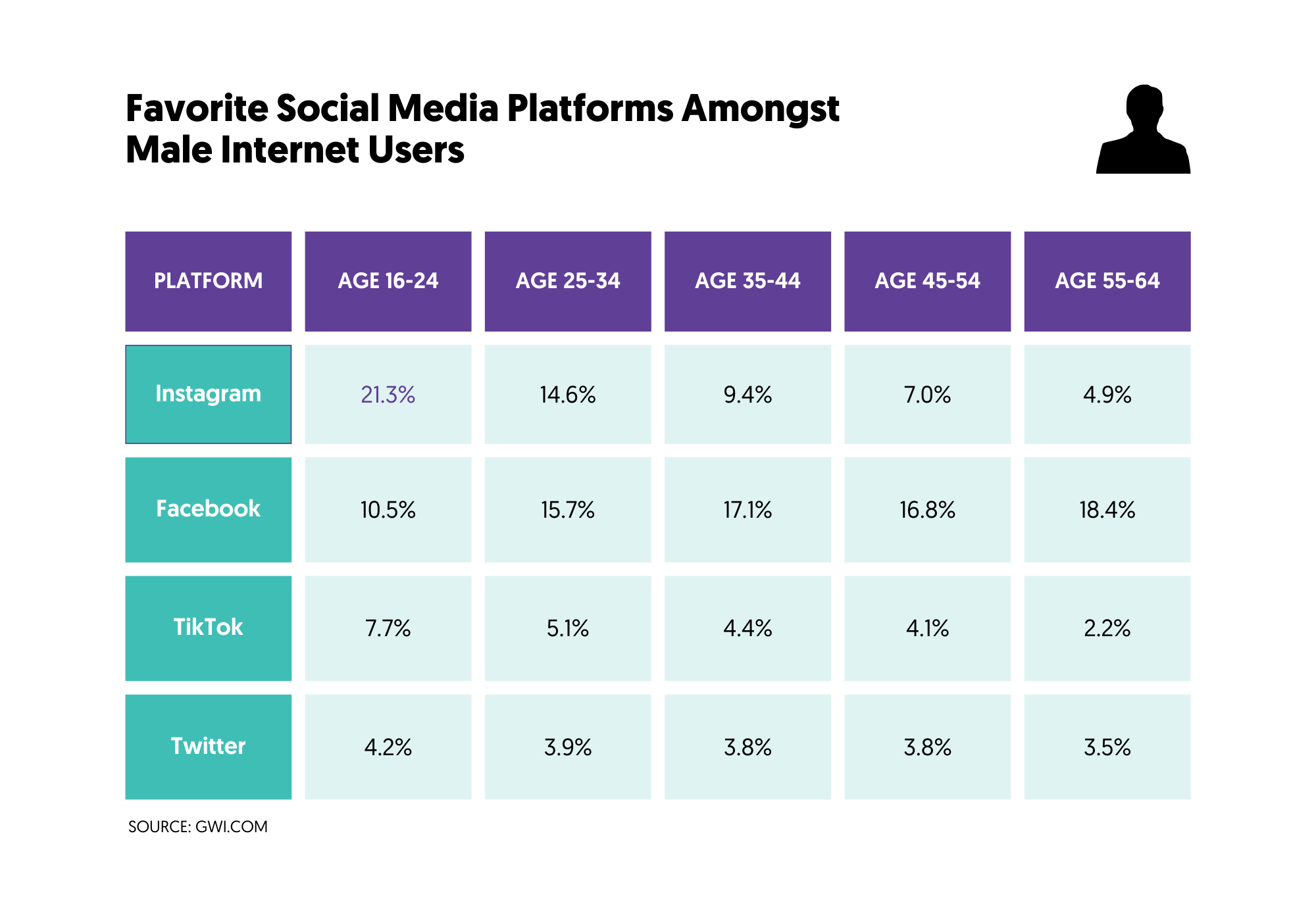
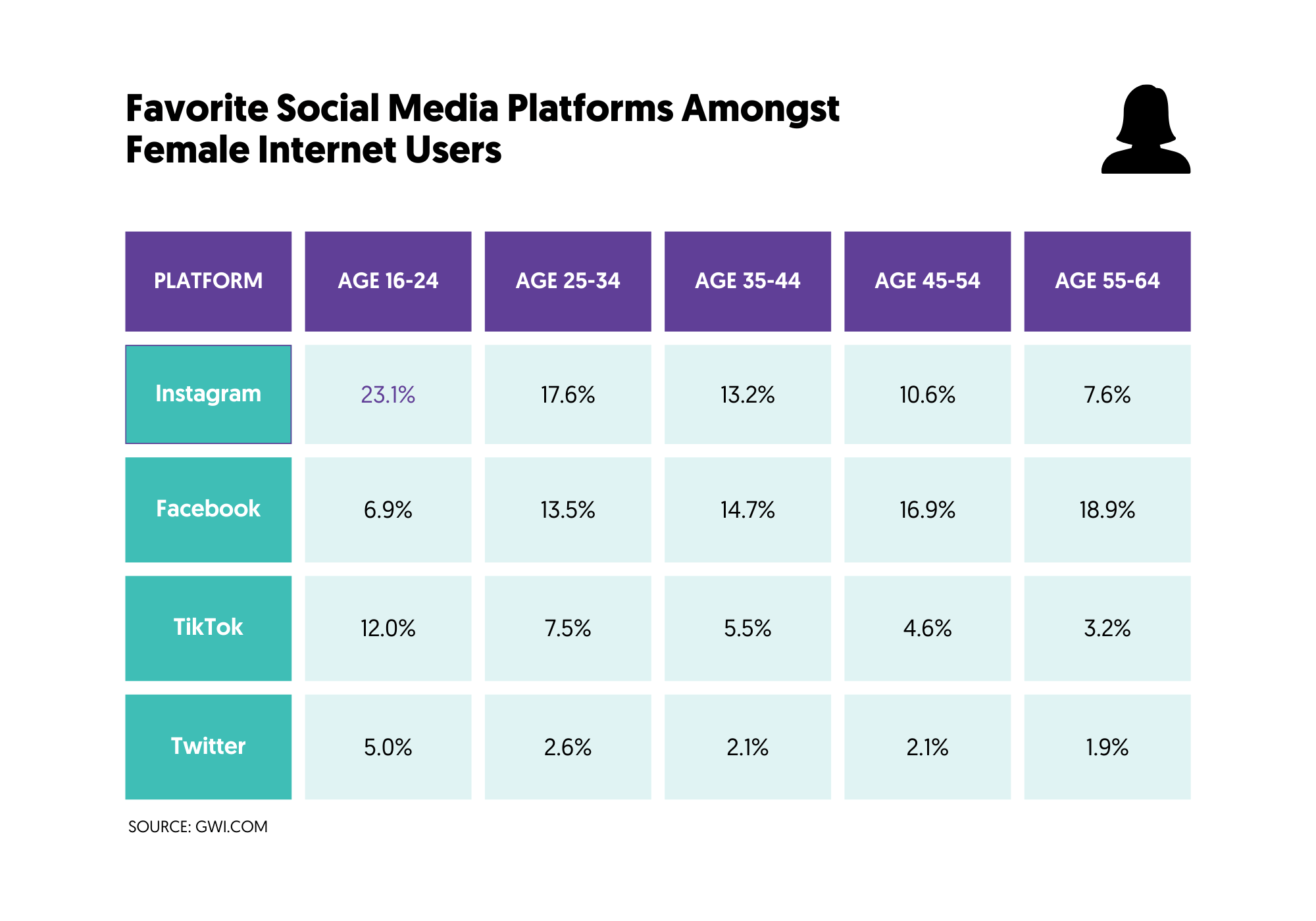
Alternatively, channels like TikTok, Instagram, and Snapchat are ideal for companies targeting younger audiences with highly visual content.
Among US adults aged 18 to 29, 80% use Instagram and 63% use TikTok, according to the same Pew survey.
X (formerly Twitter) is one of the top platforms for sharing news and brief insights, while LinkedIn is the go-to platform for B2B businesses searching for a professional audience.
To choose the right channel for your company:
Research your target audience: To choose the right channel for social media marketing, you first need to understand the demographics, psychographics, and behaviors of your target audience.
Look at the age group of the customers you tend to target with your products, examine how they use the internet, and map their purchasing journey to select the most relevant channels for engagement.
Know your industry: Different industries and sectors naturally produce content that’s more effective on specific channels.
Fashion and beauty companies thrive on Instagram and TikTok, where they can showcase products in a visual format.
Consultants and service providers tend to do well on Facebook and LinkedIn, where they can draw attention to their authority and thought leadership.
Understand each platform: Each social media platform has its own unique features and methods for communicating with customers.
Consider what kind of content your audience consumes most when selecting your channels.
X is great for conversations and news updates, while LinkedIn is ideal for sharing professional expertise.
Instagram and TikTok are ideal for fast-paced, visually focused content.
Here is a quick overview to help you choose where to start:
| Platform | Best for |
|---|---|
| Reaching a broad adult audience, local businesses, community groups | |
| Visual brands (fashion, food, travel, beauty) and younger adults | |
| TikTok | Short-form video, entertainment, and reaching Gen Z and young adults |
| B2B companies, professional services, recruiting | |
| YouTube | Tutorials, reviews, and long-form video that people search for |
| X | News, real-time conversations, and industry discussions |
| Home, food, fashion, and other visual products people plan purchases around |
Most small businesses do best by starting with one or two platforms and adding more once they are getting results.
Setting Social Media Goals
Once you’ve examined the available channels you can utilize to connect with your audience, the next stage is establishing clear goals for your marketing strategy.
Social media can assist companies in achieving a variety of goals, from raising brand awareness and increasing traffic to their website to retargeting lost customers.
Defining clear goals helps social media marketers determine what kind of content to create, which audiences to target, and which metrics and KPIs to monitor to ensure the success of their campaigns.
For instance, if you aim to get more followers and potential advocates for your brand, you might monitor follower numbers, likes, and audience engagement metrics.
To increase brand awareness and boost SEO, you might focus on monitoring brand mentions.
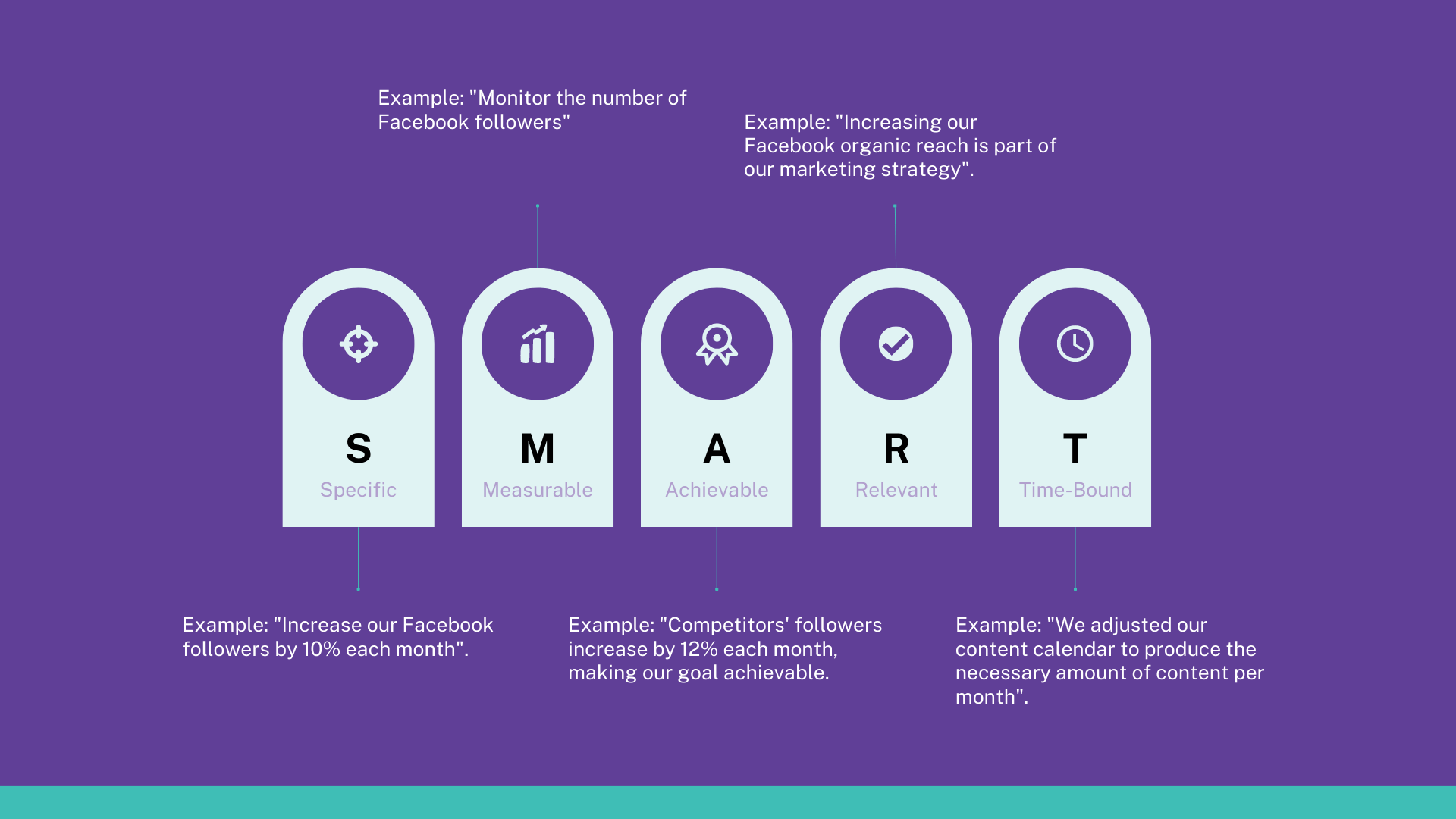
The key to successful goal setting in social media marketing is creating “SMART” objectives.
This means your goals should be:
Specific:
What exactly do you want to achieve? An example of a specific goal may be: “We want to increase the size of our audience on LinkedIn, targeting B2B buyers from the SaaS industry.”
Measurable:
How will you know if you’ve achieved your goals? Which specific metrics will you monitor to ensure you’re getting a positive ROI?
For instance, if you want to increase leads, you might watch the number of people who visit your website and complete your contact form after seeing a social media post.
Attainable:
While setting ambitious goals is great, it’s essential to be realistic about what you can achieve with your campaigns.
A good way to ensure your objectives are attainable is to examine the performance of other companies in your industry on social media so that you can set realistic benchmarks.
Relevant:
Your social media marketing goals should correspond with your larger objectives as a business.
For instance, if you want to establish your company as a thought leader in the B2B SaaS industry, attracting followers on LinkedIn and generating brand mentions is the best approach.
Time-bound:
Creating deadlines or establishing dates for when you want to achieve your goals will help to keep you focused.
Establishing “time-bound” goals can also help to keep your team members on the same page when you’re implementing campaigns, creating content, and monitoring results.
An example of a practical SMART goal for social media marketing may be:
“We will use TikTok and Instagram to raise brand awareness and drive traffic back to our website, increasing sales by 10% and brand mentions by 15% in the next 6 months.”
How to Create an Effective Social Media Strategy
While anyone can create a social media account and start posting and promoting content, the success of your campaign will depend on your ability to create and follow a specific strategy.
An effective strategy should guide your team and content creators toward your goals, providing insights into the most effective channels to use, what kind of content you need to create, and how you should connect with your audience.
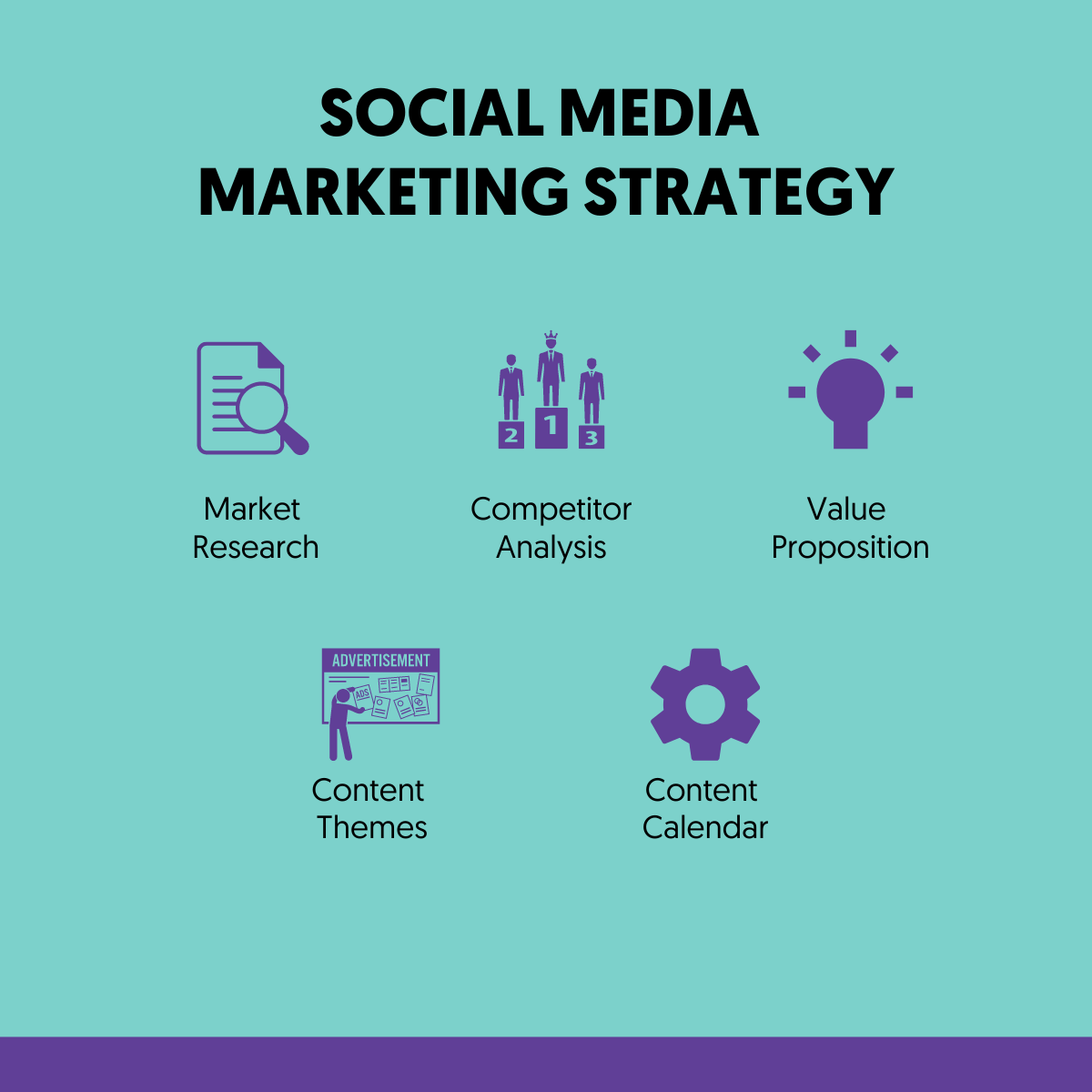
While the exact components of your social media marketing strategy might vary, depending on various factors, there are ways you can set your business up for success, such as:
Auditing your current presence: If you already have social media accounts, start by reviewing them. Check which posts got the most engagement, which platforms bring visitors to your website, and whether your profiles are complete and consistent. This shows you what to keep, what to fix, and where the gaps are.
Conducting market research: Start by examining the landscape of your chosen market or sector.
Look at your target audience and their purchasing journey, the channels they use to research products and services, and their preferences, pain points, and overall goals.
Consider the wider industry trends in your sector and the types of content that are getting the most attention from your audience.
Competitor analysis: Examining your competitors and their social media marketing strategies is an excellent way to ensure your campaigns stand out.
You can monitor the posts produced by competing brands in your industry to learn more about which types of content deliver the best results. You may also spot opportunities to differentiate yourself with unique types of promotions.
Developing a value proposition: Your unique value proposition highlights the core benefits of your products or services in a way that engages your target audience.
This information should guide all of your social media messaging and strategies. Think about what makes your business different from other organizations in the industry and why your solutions are best positioned to serve your audience.
Identifying key messages and content themes: Based on your unique value proposition and analysis of your target audience, consider what kind of key messages you will be sending with your content.
Do you want to highlight your position as a thought leader or authority in your industry? Do you want to be seen as friendly and customer-focused?
Creating a content calendar: A content calendar will help to keep your teams on track when it comes to creating highly relevant and focused content for a specific audience.
Think about how frequently you should post on each channel and what content you will produce.
When planning your content calendar, check your own analytics to see when your audience is most active on each platform, and schedule your posts for those times. Published "best times to post" studies are a starting point, but they vary by audience and change every year.
How to Create Engaging Social Media Content
Finding the best times to post and promote content on social media is important, but it’s also crucial to ensure you’re creating the right resources to engage and convert your audience.
First, it’s worth remembering that each platform takes a unique approach to content creation.
On Instagram, you’ll be more likely to capture customer attention with visual content, such as Reels, videos, Stories, and photos.
However, each type of content also appeals to a specific audience. For instance, Reels and Stories are usually ideal for reaching younger audiences searching for authentic, emotional, and entertaining posts.
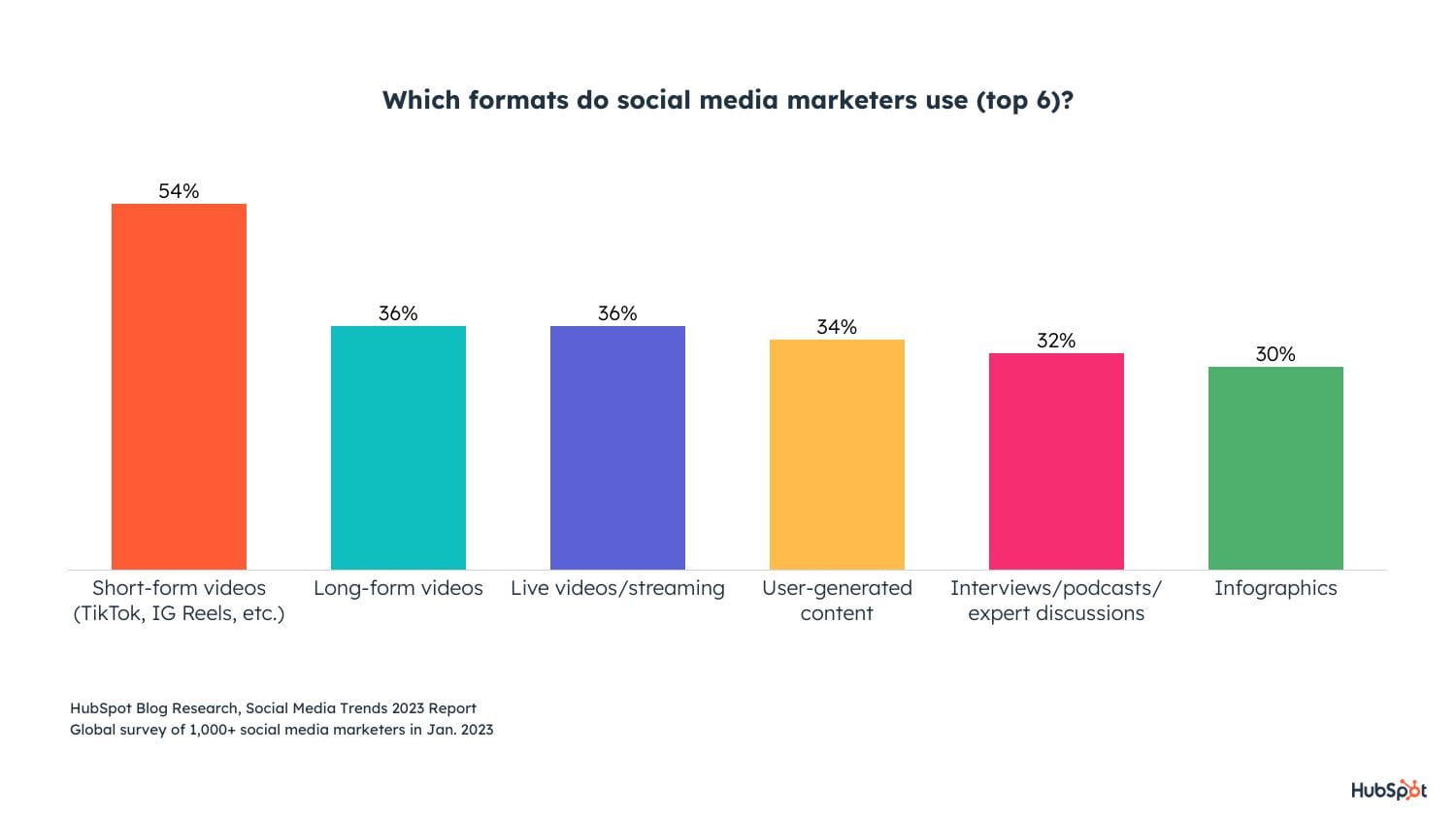
Video content, particularly short-form video, is one of the most popular forms of content on almost every social channel.
In HubSpot’s 2023 survey of social media marketers, short-form video was the format marketers used most.
To make sure your content hits home on any channel, make sure you:
Follow the 80/20 rule: A common guideline is to make about 80% of your posts useful, educational, or entertaining for your audience, and only about 20% directly promotional. People follow brands that give them value, not brands that only sell.
Showcase your brand personality: Create brand guidelines highlighting the tone of voice you’re going to use on your pages, the themes you’re going to leverage when sharing content, and the personality you want to convey.
Make sure your image and messaging are consistent across every channel you use.
Create content themes or buckets: Looking at your unique value proposition or goals, create “buckets” containing themes you want to highlight on your channels.
For instance, if you were running a hotel or resort, you might create buckets around wellness, showcasing your spa facilities, or buckets around the location you serve and the unique attractions in the area.
Remember captions and headlines: Even on highly visual social media channels, captions are crucial to capturing your audience's attention.
They should be emotional, engaging, and relevant to your customers' needs, pain points, and interests.
Use emotive language and action terms to make your content stand out, and remember to utilize “CTA” (Call to action) content to drive customer behavior.
Utilize hashtags: Hashtags aren’t just for X or Instagram. They’re a crucial tool in helping customers to find your content across different channels.
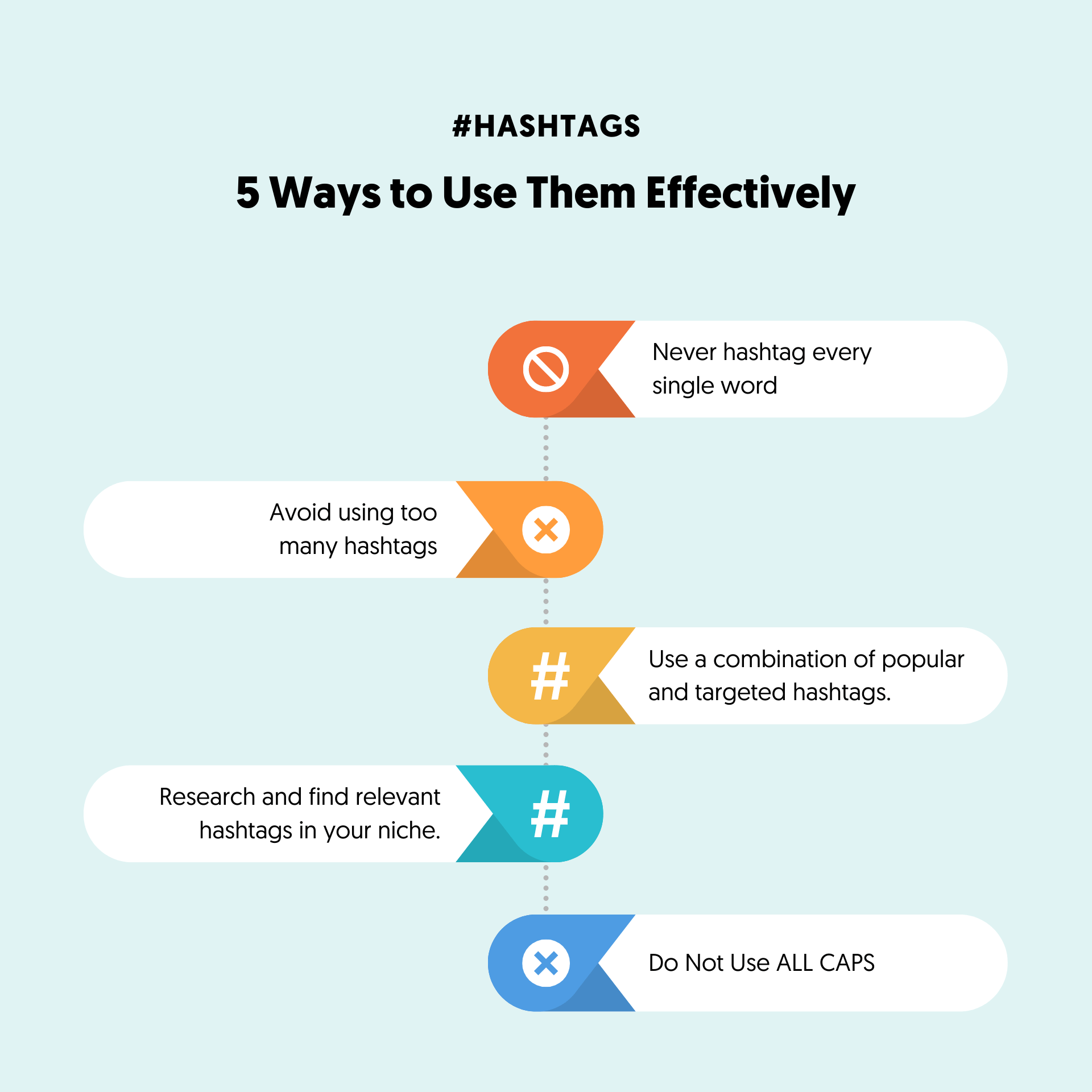
Experiment with a range of trending hashtags, niche tags related to your specific audience, like #B2BSaaS, and even branded hashtags like Nike’s #JustDoIt
A/B test your content: Experiment with different versions of content on each platform to see what’s really moving the needle for your business.
You can use built-in analytical tools on channels like LinkedIn, Facebook, and Instagram to monitor customer engagement, clicks, and other important metrics.
Growing and Engaging Your Audience
As mentioned above, one thing that separates social media marketing from other forms of digital marketing is a focus on building and engaging a specific community.
Social media is inherently “social”. It provides companies with a way to connect with their audience, offer insightful customer service, and even collect data about customer preferences.
A key part of building a strong social media community is being responsive. Don’t just post content and ignore your audience.
If a customer leaves a comment on your page, @mentions you on a post, or sends a message to your business, respond with useful information. This will show your commitment to your target audience.
You can also use the content created by your audience to your advantage with social media marketing.
User-generated content, such as customer reviews, photos, and videos, is a powerful form of social proof. Converting customer reviews into posts or showcasing customers using your products on your page is a great way to boost customer trust.
Alongside constantly engaging and supporting your audience, you should also look for ways to grow your online presence consistently.
You can boost your follower count and engagement levels with techniques like the ones below. For Instagram specifically, see our guide on how to get more Instagram followers.
Hosting contests and competitions: Competitions are a great way to boost activity on your page and generate hype around your brand.
You can use branded hashtags to convince customers to create user-generated content for a chance to win a prize or ask customers to comment on a post and tag their friends to enter a contest.
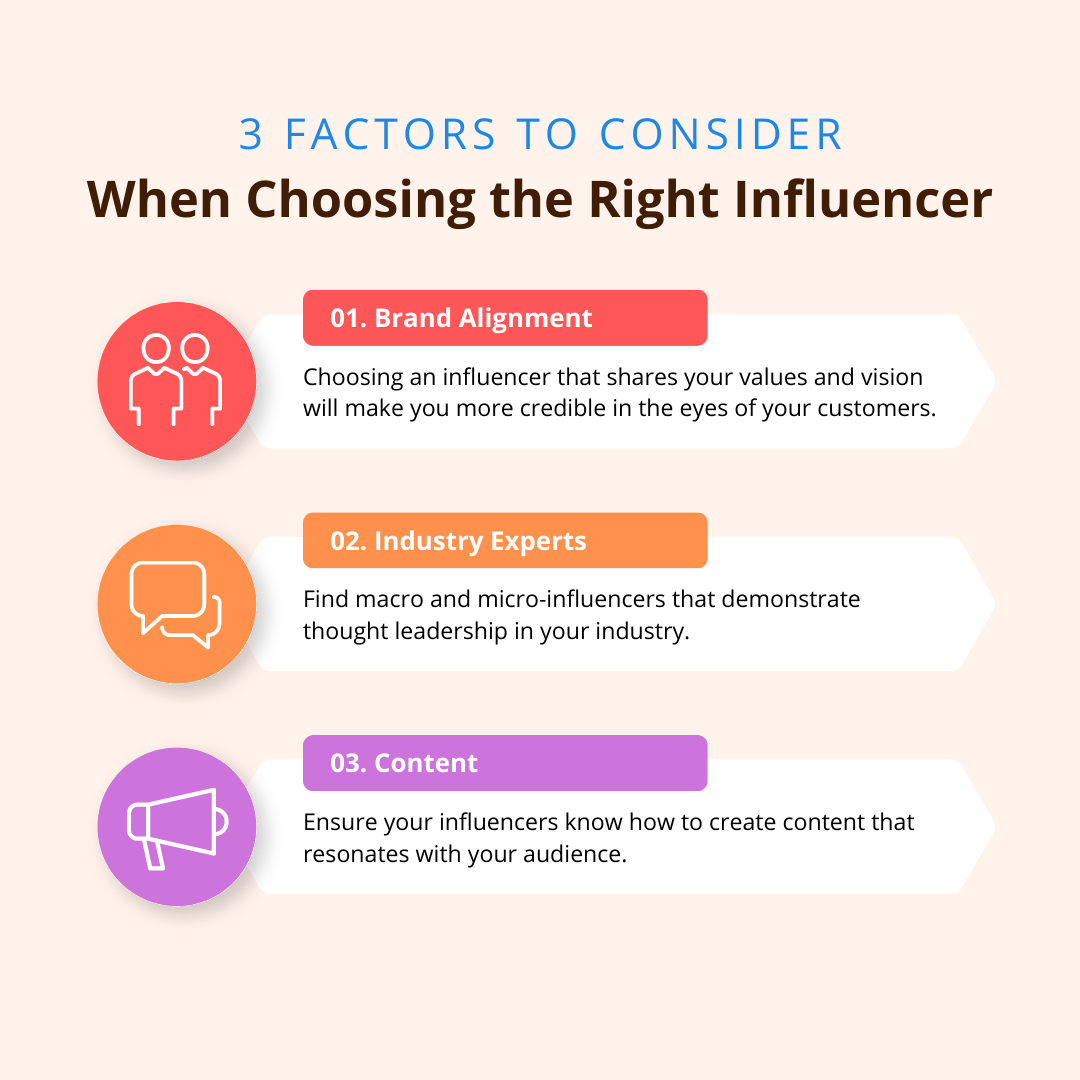
Working with influencers: Relevant influencers who already have an emotional connection with your target audience can draw increased attention back to your profile.
Even working with micro-influencers in your industry can strengthen your credibility and expose your posts to new customers.
Ask questions: Asking questions or hosting polls is a great way to boost engagement and audience interaction.
It’s also a fantastic opportunity to learn more about your audience and their preferences.
Read our case study on how to grow your followers on Facebook.
Social Media Advertising
While organic social media marketing can drive good results, you have to consider paid advertising for maximum exposure too.
Paid ads on social media channels allow companies to target specific audiences with highly relevant content.
Each channel has its own range of solutions to offer for paid advertising, so it’s worth considering each option carefully based on your goals and target audience.
Facebook: On Facebook, you can create image ads, video ads, and carousel ads to be promoted across Facebook and Instagram.
You can also create messenger ads, which are ideal for directly reaching out to customers with offers and demos.
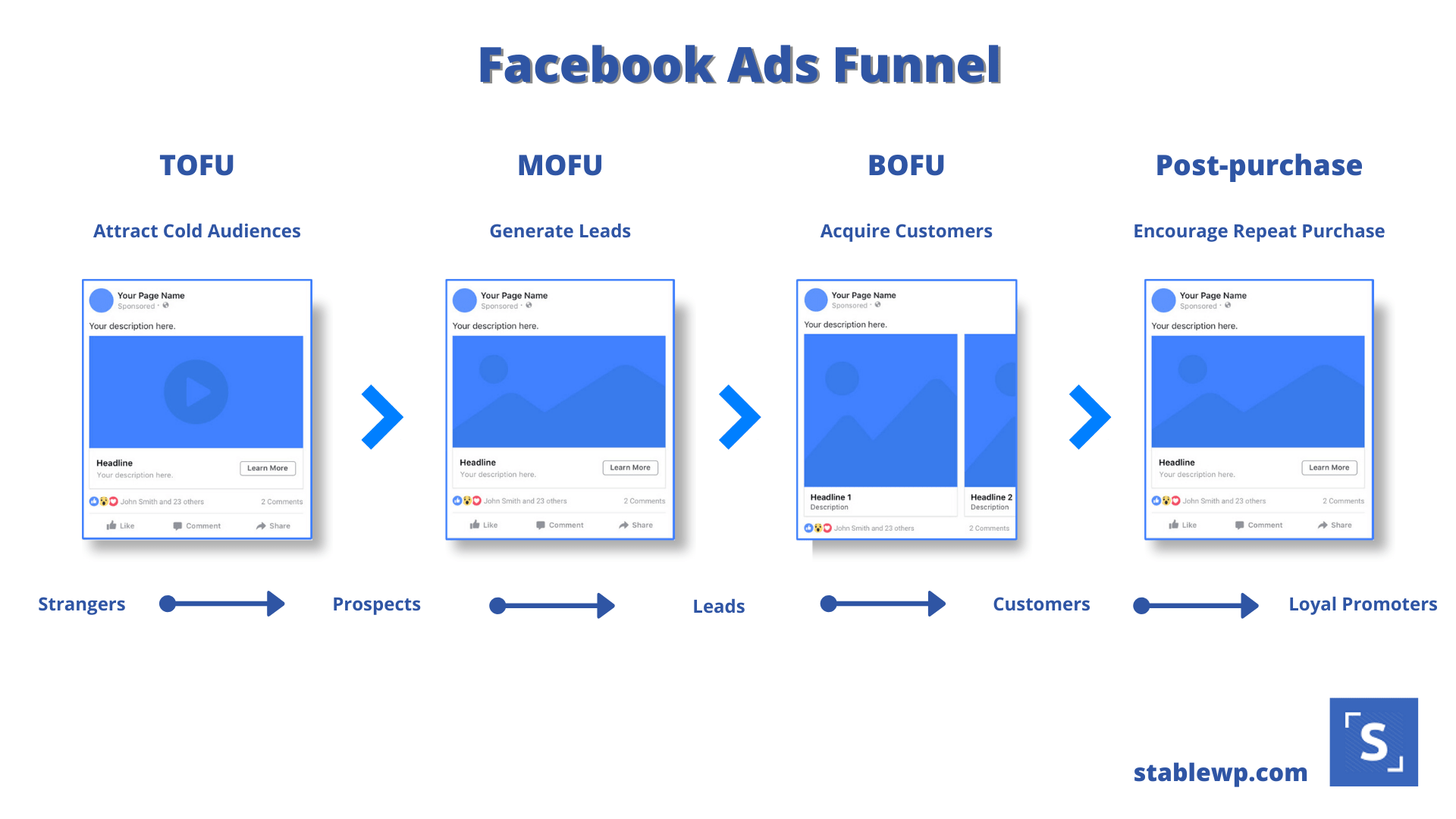
Instagram: Instagram runs on the same advertising platform as Facebook, offering highly targeted collection ads, image and video ads, and more.
You can also create collection ads, “Instant Experience” ads, and shopping ads (ideal for e-commerce).
X: X (formerly Twitter) offers promoted posts with text, images, or video, as well as carousel ads.
TikTok: Alongside video and image ads, TikTok offers a range of promotional ways for companies to showcase their human side, with branded hashtag challenges, in-feed ads, and a comprehensive influencer network.
LinkedIn: On LinkedIn, companies can create swipeable carousel ads, event ads for conferences and expos, document ads, single image and video ads, messaging ads, and even conversational ads.
Each platform comes with specific tools companies can use to ensure their ads reach the right audience at the best possible moment in their purchasing journey.
You can refine your campaigns to target customers with specific interests or hobbies, focus on critical demographics, or even target your ad to a specific location.
It’s also possible to schedule your ads to run when your audience is most likely to be online and actively engaging with posts.
Monitor the results of each ad campaign you create, paying attention to how changes in your budget, your targeting strategies, and your content drive results for your business.
To become an expert on paid social media, read the following guides.
How to Measure Your Social Media Results
Tracking your results shows you what is working, so you can do more of it and stop wasting time on what isn’t. The metrics to watch depend on your goals:
- Reach and impressions: how many people saw your content. Useful for brand awareness goals.
- Engagement rate: likes, comments, shares, and saves compared with your reach or followers. It shows whether your content resonates.
- Clicks and website traffic: how many people visited your website from social media.
- Conversions: leads, sign-ups, or sales that came from social media.
- Follower growth: how quickly your audience is growing on each platform.
Each platform has built-in analytics, such as Meta Business Suite for Facebook and Instagram, TikTok Analytics, and LinkedIn Page analytics. To see which visits and sales come from social media, add UTM parameters to the links you share and check the results in Google Analytics 4.
Review your numbers every month, compare them with your goals, and adjust your content, posting times, and platforms based on what you learn.
Social Media Tools
Managing a comprehensive social media marketing strategy can be complex without a little assistance.
While each social media platform has its own tools to assist companies with paid advertising and promotion, it may be worth looking at other third-party tools to improve your results.
For instance, on Instagram and Facebook, you can leverage powerful targeting tools and analytics features to help you monitor the success of your campaigns.
However, you can also take advantage of various other solutions, such as:
Social media scheduling tools: Specialist solutions designed to help you build comprehensive campaigns in advance and publish posts at the most effective time to reach your target audience.
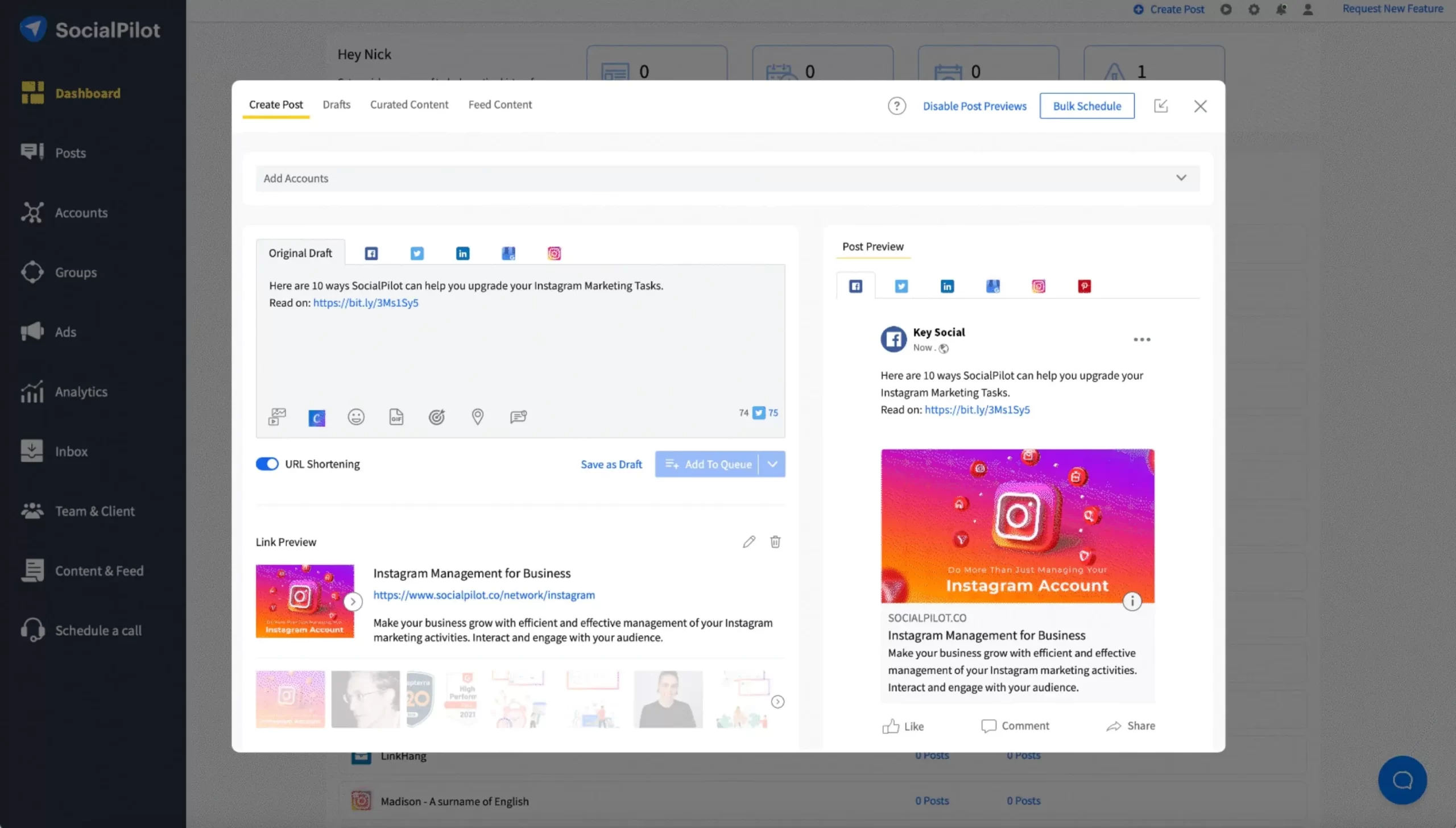
Social media analytics tools: Insightful reporting tools which provide deeper insights into audience demographics, the best times to posts, and crucial metrics like click-through rate, conversion rate, and audience engagement.
Social media listening or monitoring tools: Listening and monitoring tools make it easier to track customer perceptions about your brand across a range of channels. They can monitor specific keywords, hashtags, and @mentions.
Social media content creation tools: Some tools can also help you to create more powerful content for social media, such as image and video editing tools for Instagram and TikTok or character counting tools for LinkedIn and X.
Social media automation tools: Automation tools can assist with everything from posting content at the right time for users worldwide, monitoring statistics, and even helping companies respond to customer queries.
When choosing the right tools for your business, it’s worth starting by looking at the pain points of your company and team in the social landscape.
If your employees struggle with responding quickly to customer questions and queries, monitoring, listening, and automation tools might be helpful.
If you want to improve the quality of your content and make it more engaging, photo and video editing tools or AI assistants like ChatGPT, Gemini, and Claude can help you brainstorm ideas, draft captions, and repurpose content faster. Always review AI-written posts so they match your brand voice.
Remember to look at the pricing of each tool carefully before making your decision, as well as how easy it is to use and which platforms it can integrate with.
Learning Social Media Marketing
Finally, while social media marketing has become an essential tactic for many businesses today, it’s worth noting that the landscape is constantly changing and evolving.
Not only do customer preferences on social media change over time but the tools and features of each platform regularly update too.
With this in mind, it’s worth ensuring you can constantly expand and upgrade your knowledge about how each channel works and how to optimize your campaigns.
There are various ways you can strengthen your knowledge as a social media marketer, such as:
Following thought leaders: Examining the posts and insights of thought leaders in the social media marketing space can be a great way to discover new strategies and methodologies for engaging audiences.
Many leading social media minds create podcasts, videos, and blogs to share their knowledge online.
Free training courses: There are various free online courses for beginners in social media marketing, such as HubSpot’s social media training course or the TikTok influencer masterclass from Influencer Marketing Hub.
Paid programs and workshops: Although free courses are great for beginners, they often only cover the basics of social media marketing.
Paid courses provide more in-depth guidance, frameworks for social media marketing, and downloadable resources you can use to improve your campaigns. Our Social Media Marketing Course teaches you how to build a strategy, create content, and run campaigns step by step.
It’s also worth keeping up to date with news and press releases from social media platforms, as these can offer useful insight into new features on each channel.
If you want to turn your skills into a business, read how to start a social media marketing agency. And if you’re not sure how social media fits into the bigger picture, see the difference between digital marketing and social media marketing.
Additional Resources to Learn Social Media Marketing.
Conclusion
Learning how to master social media marketing is crucial in today’s landscape. As the advertising world changes and customer preferences evolve, social media offers companies a way to connect with their audience and grow their online presence.
With the right social media marketing strategy, you can learn more about your customers and their needs, drive attention to your brand, and increase your opportunities for sales.
With the guidance above, you should have everything you need to start working on your own intuitive social media campaigns.
Social Media Marketing FAQ
How do beginners start social media marketing?
Start by choosing one or two platforms where your audience spends time, set a clear goal, and complete your business profiles. Then post useful content consistently, reply to comments and messages, and check your analytics every month to see what works.
Which social media platform is best for marketing?
It depends on your audience. Facebook reaches the broadest adult audience, Instagram and TikTok are strongest with younger adults, LinkedIn is best for B2B, and YouTube works well for tutorials and reviews.
How often should a business post on social media?
Consistency matters more than volume. Most small businesses do well posting a few times a week on each platform they use, and more often on fast-moving platforms like TikTok and X. Use your analytics to find the frequency that keeps engagement high.
Is social media marketing free?
Creating accounts and posting organic content is free, but it takes time. Paid advertising on social media costs money, and you set the budget. Most businesses use a mix of both.